For years, when we talked about building an app, there was a fairly simple picture in our heads. You downloaded it from the App Store, opened it on your phone, tapped your way through a few screens and eventually got to whatever it was you actually wanted to do.
Maybe you booked a train, checked your bank balance, ordered some food, tracked your fitness or bought a pair of shoes. The app was the destination, and the interface was the route you took to get there. That model has served us pretty well.
But something interesting is happening now. The way we interact with technology is starting to change, and it is happening much faster than the traditional app model was designed for.
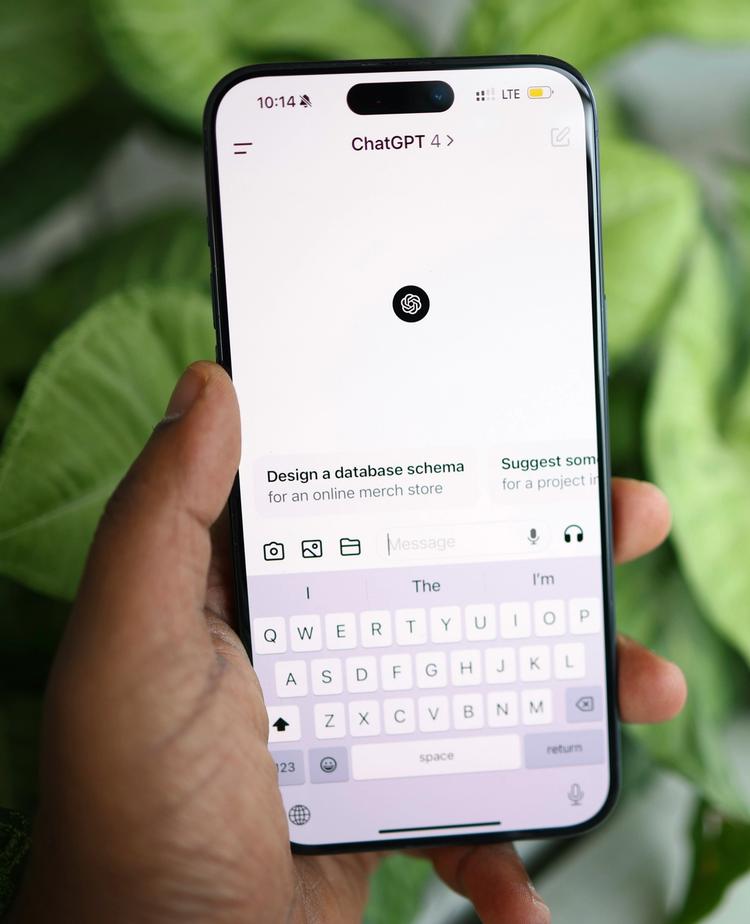
Instead of opening an app to find something, we can ask an assistant to find it for us. Instead of navigating through five screens to complete a task, an AI agent can potentially do it on our behalf. Instead of looking at a phone, we might speak to a device in our ear, glance at information through smart glasses or interact with technology through a watch.
The technology is changing, but perhaps the bigger change is happening somewhere else: our expectations are changing too.
In the UK, 54% of adults reported using an AI-powered digital assistant that understands natural language within the previous three months in the UK. Meanwhile, 56% had used AI that creates human-like text or speech in response to queries.
That matters because once people become comfortable saying, “Can you find me a cheaper train tomorrow?” or “Remind me what I need to take on holiday,” it becomes harder to convince them that they should go back to navigating a traditional interface just to achieve the same thing.
So, what does that mean for the apps we build today?
The short answer is that the next generation of apps probably won't look like apps in the way we're used to thinking about them.
And that doesn't mean the traditional mobile app is disappearing tomorrow, far from it. It means we're entering a world where the app becomes part of a much bigger product experience, one that can move between conversation, voice, automation, wearable technology, contextual experiences and traditional screens depending on what the user needs at that particular moment.
Let's explore what that could look like.