Well, the rumours can finally be put to bed. In September 2026, Apple officially unveiled the iPhone Duo, its first ever foldable iPhone and one of the biggest changes to the iPhone's design since the original was launched in 2007.
That makes this a particularly interesting moment for foldable technology. For years, Samsung, Huawei, Xiaomi, Motorola and others have been trying to prove that folding screens have a genuine place in the smartphone market. Apple has now made its position clear: foldables are no longer something happening around the edges of the smartphone industry. They are part of the iPhone ecosystem.
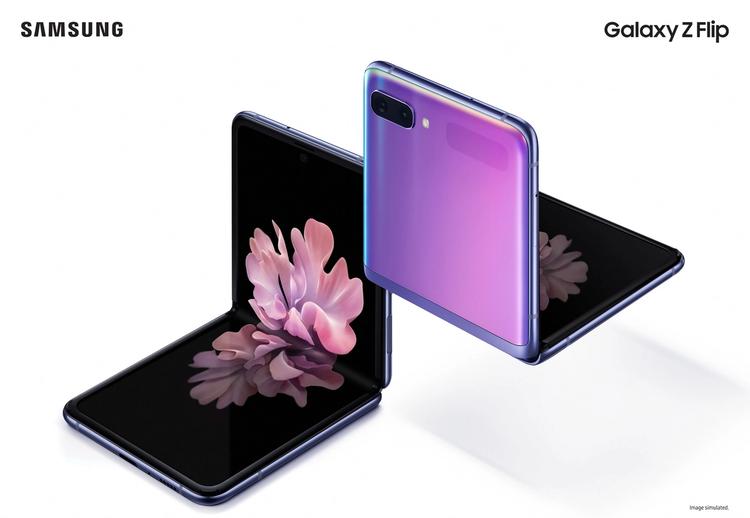
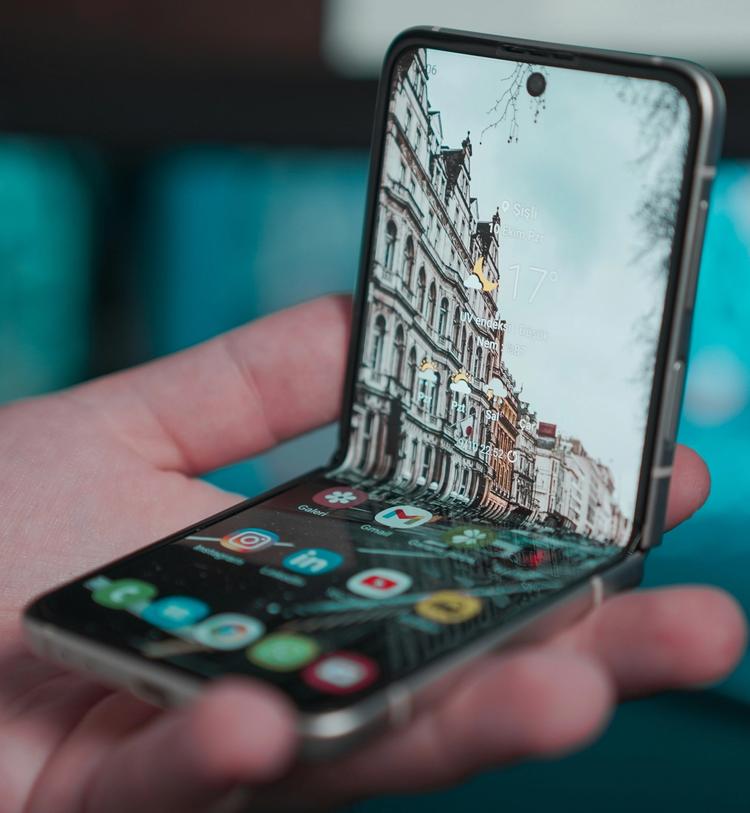
The iPhone Duo takes a slightly different approach to the category, opening to reveal a 7.6-inch display while retaining a 5.4-inch outer screen when folded. Apple says both displays share the same aspect ratio, allowing content to scale proportionally between them, while iOS 27 has been redesigned to adapt to the different ways the device can be held and used.
And that last point is perhaps more important than the hardware itself.
Apple isn't simply putting a folding screen onto an existing iPhone. The company has designed the hardware and software together, with the foldable format creating new opportunities for multitasking, gaming, photography, video calls and hands-free use. The camera experience, for example, makes use of the outer display in ways that aren't possible on a traditional iPhone, while the larger inner display gives apps considerably more room to work with.
For app developers, this makes Apple's entry particularly significant. Until now, supporting foldables could reasonably be viewed as a decision based on the size of the Android foldable audience. With Apple now introducing its own interpretation of the format, product teams have another major ecosystem to consider, along with another set of screen sizes, orientations and interaction patterns.
It also strengthens the argument that foldables are becoming less about the novelty of a hinge and more about what that hinge allows a product to do. The interesting question is no longer simply "will people buy a folding phone?" It is "what can we create when a phone can change shape depending on what the user is trying to do?"
That is where the story gets much more interesting for digital products. A foldable device gives apps the opportunity to respond to context in a more meaningful way, whether that means presenting information differently when the phone is closed, expanding into a richer workspace when it is open, or taking advantage of entirely new camera, multitasking and hands-free experiences.
Apple's arrival doesn't guarantee that foldables will become the dominant smartphone format. The iPhone Duo is a premium device, with availability beginning in October 2026, so there is still a long way to go before we know how broadly the format will be adopted.
What it does do is remove one of the biggest remaining questions around the category. Apple has looked at foldable technology, decided it has a place in the future of the iPhone and built its own version of that future. After years of asking whether foldables are here to stay, that feels like a pretty significant answer.